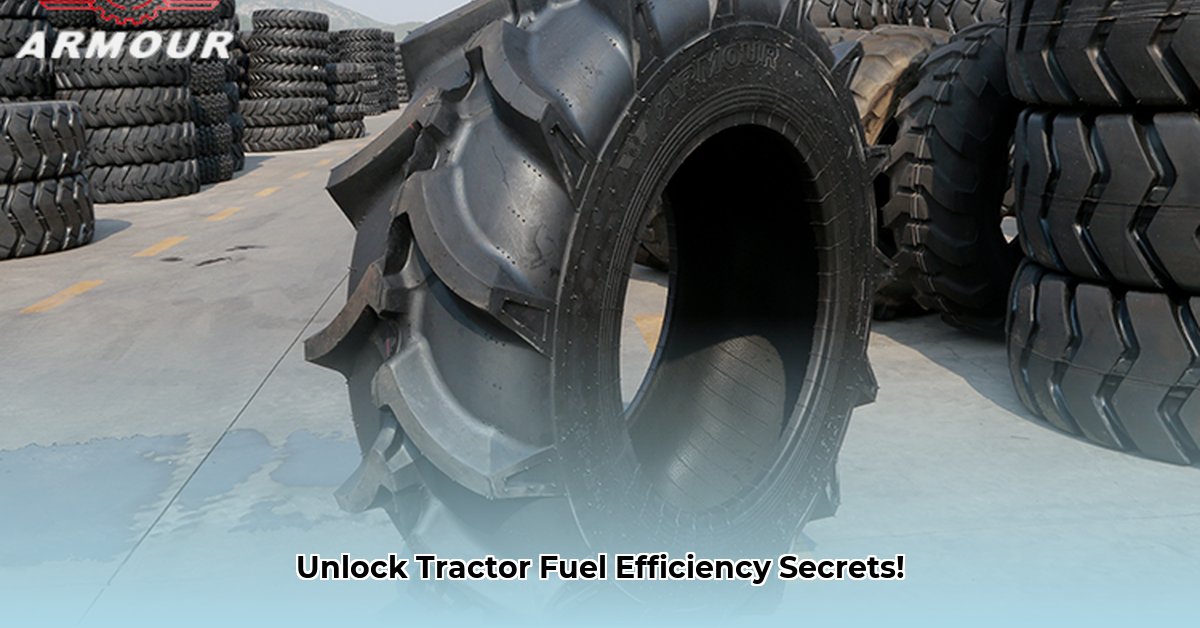
Understanding 16.9-28 Tractor Tires: A Foundation for Sustainable Farming
Running a successful farm hinges on efficiency and sustainability. Fuel costs and soil health are major concerns, and your tractor's tires play a surprisingly significant role in both. This guide focuses on 16.9-28 tractor tires, a common size, outlining how the right choices can drastically improve fuel efficiency and protect your land. We'll dissect different tire types, explore their impact on soil compaction, and offer practical, actionable advice for farmers of all experience levels. For more information on tractor maintenance, check out this helpful resource on tractor hydraulics.
Tire Technology: Radial vs. Bias-Ply – A Critical Choice
The first major decision is choosing between radial and bias-ply tires. These differ significantly in construction, impacting fuel efficiency and soil compaction.
Bias-Ply Tires: These feature fabric layers running diagonally across the tire. This design is sturdy and puncture-resistant. However, the stiffer construction results in a smaller contact patch with the ground, increasing soil compaction and rolling resistance, which directly translates to higher fuel consumption.
Radial Tires: Radial tires boast fabric layers running radially from bead to tread. This design creates a larger contact patch, distributing weight more effectively and minimizing soil compaction. The increased flexibility also leads to lower rolling resistance, resulting in better fuel efficiency. While potentially more susceptible to punctures, their long-term benefits often outweigh this disadvantage.
[Insert Table Here: Comparing Radial and Bias-Ply 16.9-28 Tires]
Example Table Columns: Tire Type, Rolling Resistance (%), Soil Compaction Score (1-5, 5 being most compaction), Puncture Resistance (1-5, 5 being most resistant), Approximate Cost ($), Average Lifespan (Hours)*
Isn't it frustrating to see fuel efficiency plummet due to inefficient tires? Switching to radial tires can often lead to significant fuel savings over the lifespan of the tires.
Low-Pressure Tires: Minimizing Soil Compaction for Sustainable Yields
Low-pressure tires are gaining traction (pun intended!) in sustainable agriculture. Inflating tires to lower pressures significantly increases the contact area with the soil. This dramatically reduces compaction, improves traction (especially in wet or soft conditions), and promotes better water infiltration and aeration, benefiting plant growth. The trade-off is a slightly higher risk of punctures and potential sidewall damage.
Fuel Efficiency: The Impact of Tire Selection and Maintenance
Fuel is a substantial farm expense. Tire selection directly impacts fuel consumption. Radial tires, with their lower rolling resistance, typically deliver better fuel economy. Beyond tire type, maintaining proper inflation pressure is crucial. Underinflation severely increases rolling resistance, while overinflation leads to uneven wear and increased compaction. Regular pressure checks using an accurate gauge are essential.
Did you know that even a slight underinflation can significantly increase fuel consumption? Regular tire pressure monitoring can save a considerable amount of money on fuel costs over a year.
Soil Compaction: A Threat to Long-Term Soil Health and Yields
Soil compaction is a major threat to sustainable agriculture. Compacted soil hinders water infiltration, root penetration, and aeration, impacting nutrient availability and crop yields. Minimizing compaction through tire selection and other practices is vital for long-term soil health.
Practical Tips for Maximizing Tire Lifespan and Efficiency
Extending tire lifespan and maximizing your investment requires diligent maintenance:
- Regular Pressure Checks: Check and adjust tire pressure frequently, ideally before each use, using a reliable gauge.
- Visual Inspections: Regularly inspect tires for cuts, punctures, and uneven wear. Address issues promptly to prevent major damage.
- Proper Storage: Store tires properly during the off-season to prevent degradation and damage.
- Tire Rotation: Rotate tires regularly to ensure even wear and extend their lifespan.
- Consider TPMS: For larger operations, investing in a tire pressure monitoring system (TPMS) can provide real-time pressure data, simplifying maintenance and maximizing efficiency.
"Proper tire maintenance is a cornerstone of sustainable farming practices," says Dr. Emily Carter, Agricultural Engineer at the University of California, Davis. "It's an often overlooked aspect that directly impacts both the farm's bottom line and the long-term health of the soil."
Choosing the Right Tire: A Personalized Approach
The best tire choice depends on your specific needs. Consider these factors: soil type, typical loads, crops grown, climate, and budget.
| Tire Type | Advantages | Disadvantages | Ideal Conditions |
|---|---|---|---|
| Low-Pressure Radial | Minimized soil compaction; Superior fuel savings | Higher initial cost; Potentially shorter lifespan | Wet, heavy soils; Sensitive crops |
| Standard Radial | Excellent balance of cost and performance | More soil compaction than low-pressure radials | Various soil types and crops |
| Bias-Ply | Lower initial cost | High soil compaction; Increased fuel consumption | Limited applications; Older tractors only |
Conclusion: Investing in Sustainability, Investing in Your Future
Selecting the right 16.9-28 tractor tires is a critical decision with broad implications for your farm's profitability and environmental stewardship. By considering tire type, inflation pressure, and regular maintenance, you can make informed choices to optimize fuel efficiency, minimize soil compaction, and build a more sustainable farming operation. Remember, sustainable farming practices are a long-term investment that benefits both your farm and the environment.